




Get Paid for Ice Dam Damage in Minnesota: Compare 20+ Carriers

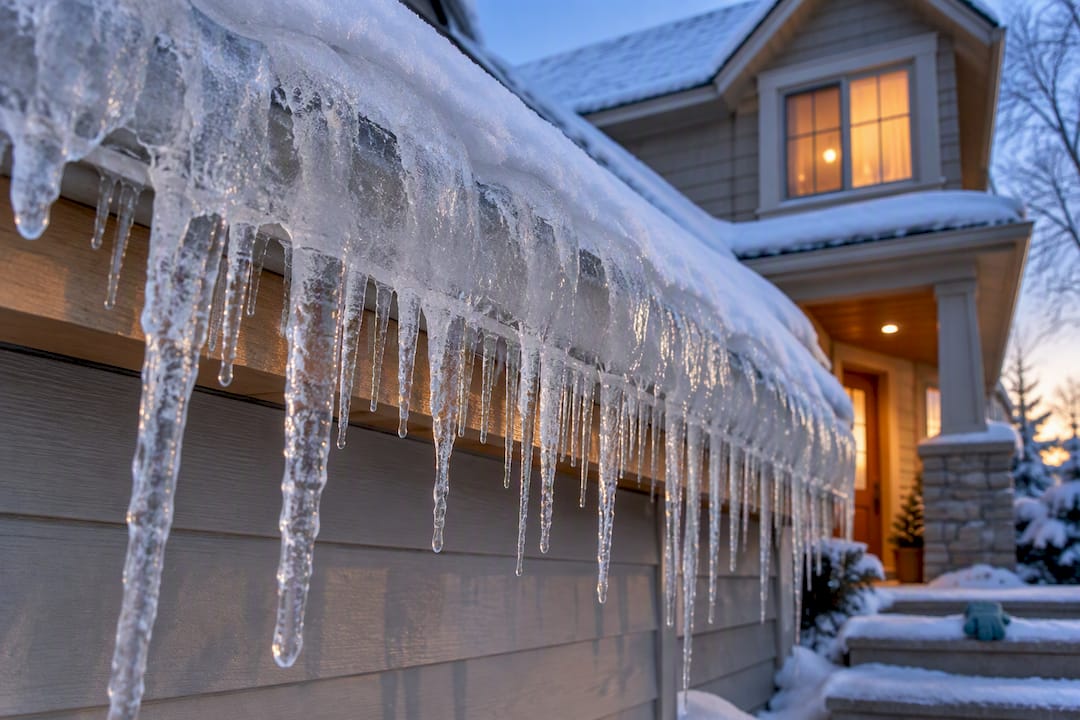
In Minnesota, standard homeowners insurance typically covers the interior water damage caused by an ice dam, such as stained ceilings or ruined drywall, but not the cost to remove the ice itself or fix the roof conditions that let it form. Coverage hinges on whether the loss looks sudden and accidental rather than the result of years of neglect. Notify your insurer fast, document everything, and know that Minnesota-specific endorsements can change what you actually get paid.
TL;DR:
Insurance covers interior water damage caused by ice dams, such as stained ceilings and soaked drywall, but not the cost of removing the ice or fixing the roof.
Claims are often denied if the insurer argues the damage resulted from gradual neglect rather than a sudden event, making prompt documentation crucial.
Immediate steps include taking timestamped photos, reporting the claim the same day, and hiring emergency mitigation with detailed invoices.
Upgrading attic insulation to R-38 and improving ventilation can prevent ice dams and are significantly cheaper and more effective than roof membrane retrofits.
Reviewing your homeowners policy for endorsements like water backup and ordinance coverage is essential, as many policies have gaps that can jeopardize claim approval.
Table of Contents
What Does Homeowners Insurance Cover for Ice Dam Damage?
Once meltwater backs up under shingles and starts dripping into your living space, most Minnesota dwelling policies respond to the damage that water causes inside your home. That is the core of ice dam coverage in Minnesota: the policy treats the water intrusion as a covered peril even though the ice dam that caused it is not itself repaired at the insurer’s expense.
Coverage typically extends to:
Stained or collapsed ceilings, soaked drywall, and damaged insulation
Electrical and plumbing components compromised by water intrusion
Rafters, trusses, or other structural wood affected by prolonged moisture
Personal property like furniture, rugs, and electronics, provided you can document the loss with photos or receipts
Additional living expenses if the water damage makes part of the home unlivable while repairs happen
The fine print in your declarations page matters here. Ordinance or law coverage can pay to bring damaged sections up to current building code during repair. Water backup endorsements matter if melting snow also backs up through a sump pump or drain. Mold coverage is often capped at a few thousand dollars unless you added a rider, so check that limit before you assume a moldy attic is fully covered.
Why Do Insurers Deny Ice Dam Claims in Minnesota?
The word insurers lean on most when denying an ice dam claim is “gradual.” Homeowners insurance is built to cover sudden, accidental losses, not damage that accumulated slowly through poor maintenance. An adjuster who can point to years of staining, rotted sheathing, or a chronically under insulated attic has a strong argument that the loss developed over time rather than in one weather event.
Common denial triggers include:
Ice removal itself, which most policies exclude as a maintenance cost rather than a covered repair
Cosmetic wear on shingles or flashing that predates the ice dam
Mold and long-term moisture damage beyond the policy’s mold cap
Foundation or basement seepage from meltwater soaking into the ground, which many carriers treat as flood damage requiring separate flood insurance rather than a homeowners claim
Minnesota carriers have real reason to scrutinize these claims closely. Local reporting has tracked years when insurers braced for a record volume of ice dam claims, and that volume pushes adjusters toward tighter documentation standards, not looser ones. The more your paperwork shows a specific date and a specific weather event, the harder it is for an insurer to wave the claim off as gradual seepage.
How Do Insurers Investigate an Ice Dam Claim?
Adjusters build their sudden-versus-gradual determination almost entirely from what you hand them. That makes the first 48 hours after you spot the damage the most important window in the entire claim.
Photograph and video everything the day you find it: the ice dam on the roofline, icicles, interior stains, wet insulation, and any active dripping, all timestamped.
Open the claim immediately and write down the exact date and time you reported it. Minnesota’s Department of Commerce outlines what carriers owe you in terms of timely response, and a documented notice date protects you if the insurer disputes timing later.
If water is actively entering the home, hire a contractor for emergency mitigation and get an invoice that specifically describes the work as emergency mitigation tied to the dated loss, not routine roof maintenance.
Keep any prior roof, insulation, or ice barrier installation records on hand. They are your best counter to a neglect argument.
If the insurer denies the claim or the payout feels short, you can file a complaint with the Minnesota Department of Commerce or consult a public adjuster before accepting the decision.
Pro Tip: Ask your contractor to write “emergency mitigation for dated loss” on the invoice, not just “roof leak repair.” That phrasing is often the difference between reimbursement and a fight.
Can You Prevent Ice Dams With Insulation and Roofing Upgrades?
Ice dams form because heat escapes from your living space, warms the roof deck, melts snow, and sends that water down to refreeze at the cold eaves. Fixing that cycle is mostly an attic problem, not a roofing problem.
The National Weather Service recommends attic insulation of R-30 minimum, with R-38 preferred in northern climates like Minnesota’s, paired with proper soffit-to-ridge ventilation so the attic stays cold and matches the outside air temperature. Air sealing around light fixtures, attic hatches, and plumbing stacks matters just as much as the insulation itself, since warm air leaking through gaps defeats even a thick insulation layer.
Target R-38 attic insulation with continuous soffit-to-ridge ventilation and baffles that keep insulation from blocking airflow
Install self-adhering bituminous ice-and-water membrane extending at least 24 inches inside the exterior wall line, with many installers going farther on steep or high-snow-load roofs
Follow ice-barrier standards like ASTM D1970 membrane products referenced in cold-climate roofing codes
If your budget only covers one upgrade, prioritize insulation and air sealing over a full ice barrier retrofit. It addresses the actual cause rather than just protecting against the symptom, and it also lowers energy bills. If you are already replacing a roof, adding the membrane at that point is far cheaper than retrofitting it later. Ordinance or law coverage can help absorb the cost when code requires the upgraded membrane during repair, which is one more reason to check that endorsement before you file a claim. Homeowners tackling broader winter air sealing, including doors and entry points, can find useful groundwork in this guide to winterizing doors.
What Should You Do the Day You Find Ice Dam Damage?
Call your insurer the same day and log the exact time you reported the claim.
Photograph the ice dam from outside, the icicles along the eave, and every interior sign of water: stains, wet drywall, sagging ceiling tiles, and any active drips.
If water is still entering the home, call a mitigation contractor immediately and request an invoice that explicitly ties the work to the dated loss event.
Pull together any records you have of past roof work, attic insulation upgrades, or ice barrier installation.
Keep a written timeline of every call, email, and adjuster visit until the claim closes.
How South Lake Agency Insurance Brokers Helps Minnesota Homeowners
Andrew has reviewed enough Minnesota policies to know the pattern: homeowners assume they are covered, then get blindsided by an exclusion buried three pages into their declarations. The gap is rarely bad faith on the insurer’s side. It is a policy written for a generic homeowner, sold without anyone checking whether it fits a Minnesota winter.
South Lake Agency Insurance Brokers shops your coverage across 20 or more carriers, checks for the endorsements that actually matter here, ordinance or law, water backup, mold caps, and charges no broker fees for the work. Clients save an average of $2,246 and renew at a 97.3% rate, which says something about how the fit holds up after the first winter.

What This Guide Gets Right That Others Miss
Most ice dam guides split into two camps: insurance explainers that never mention insulation, and roofing guides that never mention claims. That split fails homeowners, because the two problems are the same problem. A poorly insulated attic creates the ice dam that creates the claim, and the same documentation that proves you maintained your roof is what convinces an adjuster your loss was sudden, not gradual.
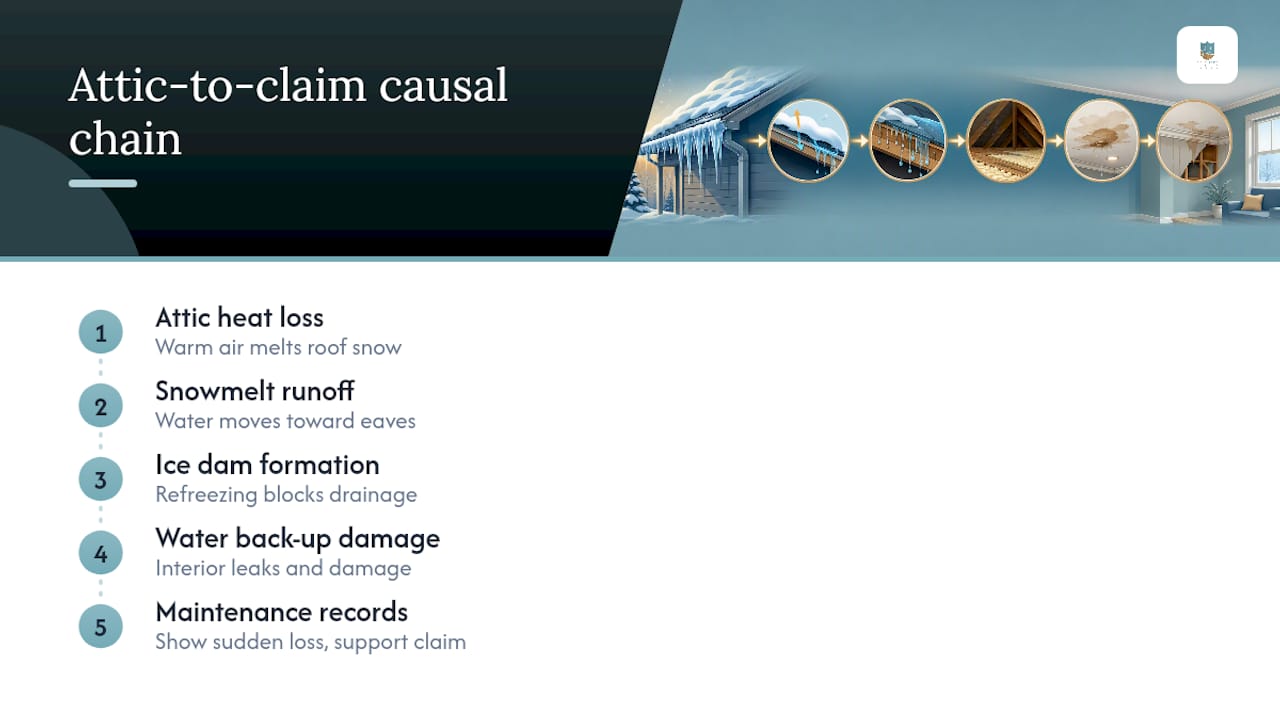
The conventional advice to “call your insurer and take photos” is not wrong, it is just incomplete. It skips the part where insurers are actively looking for a neglect angle, and it skips the part where the fix for next winter (insulation and ventilation) is cheaper and more effective than most homeowners assume. R-38 insulation and proper ventilation cost far less than a new roof membrane, yet it addresses the root cause the membrane only protects against.
If you take one thing from this guide, prioritize the attic before the roof deck. Fix the heat loss, keep dated records of that work, and you reduce your risk of an ice dam in the first place while building the paper trail that protects you if one forms anyway.
— Andrew
Get Your Homeowners Policy Reviewed Before the Next Freeze
South Lake Agency Insurance Brokers is the alternative to guessing whether your current policy actually protects you against a Minnesota winter. We compare your coverage against 20 or more carriers at once, flag missing endorsements like ordinance or law and water backup, and charge no broker fees for the review.

If you already suspect your policy has gaps, or you just want a second opinion before the snow flies, request a homeowners insurance quote comparison today. New homebuyers can also start with our homebuyer insurance guide to make sure code-related endorsements are in place before the first storm hits.
Sources
FAQ
Are Roofers Responsible for Ice Damming?
A roofer is only responsible if the ice dam resulted from faulty installation or workmanship covered under their warranty. Most ice dams form from attic heat loss and ventilation problems, which fall on the homeowner to fix through insulation and air sealing, not on the roofing contractor.
How Do I Know I Have an Ice Dam?
Look for a ridge of ice along your roof’s edge with icicles hanging off the gutter line, often paired with water stains spreading across an interior ceiling below that section. Melting snow higher on the roof combined with a solid ice barrier at the eaves is the clearest outdoor sign.
Will Ice and Water Shield Stop Ice Dams?
Ice and water shield membrane protects the roof deck from leaks once an ice dam forms, but it does not stop the dam from forming in the first place. Installing it at least 24 inches inside the exterior wall line reduces leak risk, while fixing attic insulation and ventilation addresses the actual cause.
What Can I Put on My Roof to Prevent Ice Dams?
The most effective long-term fix is improving attic insulation to at least R-38 and ensuring continuous soffit-to-ridge ventilation, per National Weather Service guidance. Roof rakes to clear snow after storms and self-adhering ice barrier membrane at the eaves are useful supplements, not substitutes, for that insulation work.
Does South Lake Agency Insurance Brokers Help With Ice Dam Claims?
South Lake Agency Insurance Brokers helps Minnesota homeowners review existing policies for gaps like missing ordinance or law and water backup endorsements before and after a loss. Request a homeowners insurance quote comparison to see where your current coverage stands.
Recommended
Comments