




Size Loss Assessments Right: HO-6 Playbook for U.S. Condo Owners
- andrew2biscay
- 2 hours ago
- 9 min read

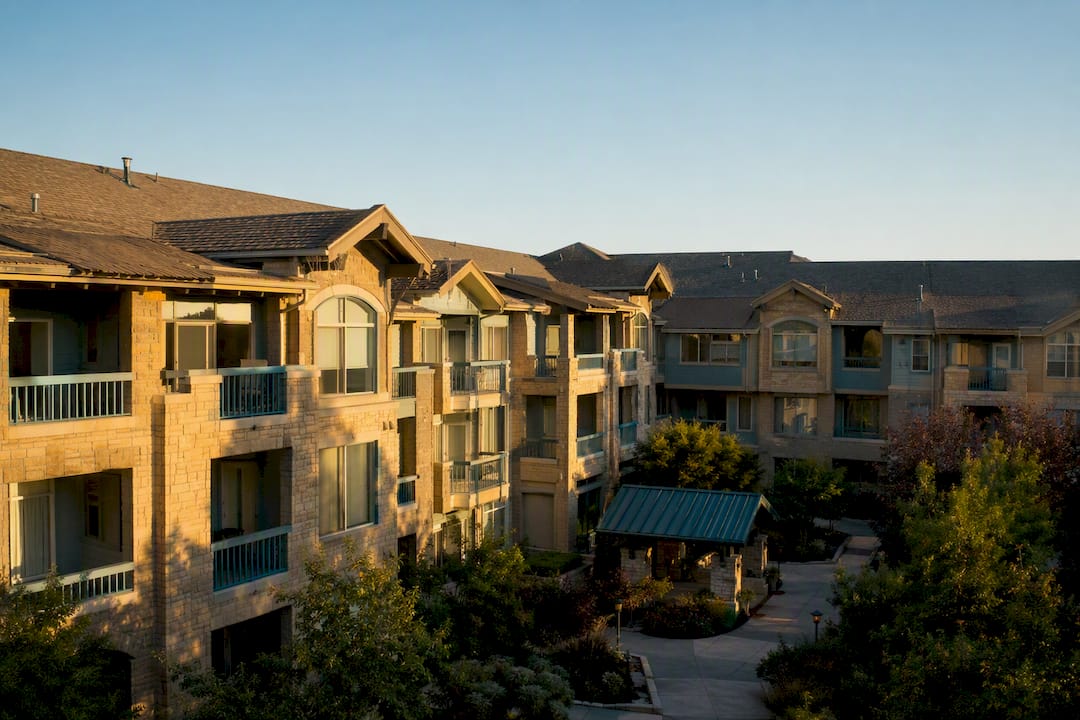
An HO-6 policy insures everything inside your condo’s walls, from flooring to furniture, plus your liability and living expenses if a covered loss forces you out. Most lenders require it, most HOAs assume you have it, and the single biggest mistake owners make is ignoring loss assessment coverage until a special assessment bill arrives in their mailbox.
TL;DR:
Most HO-6 policies do not cover flood, earthquake, or sewer backup, requiring separate endorsements or policies for these risks.
Setting dwelling coverage based on interior rebuild costs and significantly increasing loss assessment limits beyond $1,000 can prevent costly gaps during claims.
Comparing policies from multiple carriers with an independent broker can save owners thousands and ensure coverage matches the specific master policy structure.
Owners often underestimate the importance of loss assessment coverage, which protects against large special assessments after common-area damage.
Accurate policy limits depend on detailed inventory, understanding your association’s master policy, and scheduling high-value personal items separately.
Table of Contents
What does condo insurance HO-6 cover?
An HO-6 policy is built for condo and co-op owners specifically. It picks up where your association’s master policy stops, covering everything “walls-in”: your unit’s interior, your belongings, your liability exposure, and your living costs if you get displaced.
Four pieces make up the core policy.
Dwelling coverage (interior) protects the structure inside your unit, including drywall, flooring, cabinets, built-ins, and any upgrades you’ve made, like a renovated kitchen or custom closet system. You set this limit based on what it would cost to rebuild your interior from scratch, not your unit’s market value.
Personal property coverage pays to replace your furniture, electronics, clothing, and other belongings after a covered loss. You can typically choose replacement cost coverage, which pays what it costs to buy new items, or actual cash value, which factors in depreciation and pays less.
Personal liability coverage protects you if someone gets hurt in your unit or you accidentally damage a neighbor’s property, say, a bathtub overflow that soaks the unit below. Medical payments coverage handles smaller injury claims without a liability finding.
Loss of use coverage, sometimes called additional living expenses, kicks in when your unit becomes unlivable after a covered event. It pays for a hotel, temporary rental, and extra costs like restaurant meals while your unit gets repaired.
Most standard policies set personal property limits as a percentage of your dwelling limit, often 50% to 70%, but that formula rarely matches reality. If you’ve got a home office full of equipment or a serious collection of anything, run your own inventory instead of trusting the default math.
What HO-6 usually doesn’t cover, and the endorsements that fix it
Standard HO-6 policies leave real gaps. Flooding from an external source, like a river overflow or storm surge, isn’t covered at all. You need a separate flood policy, typically through the National Flood Insurance Program or a private carrier, regardless of how far you are from a coastline.
Other common gaps:
Earthquake damage requires its own policy or rider in most states, even in seismically active regions.
Water backup or sewer backup, from a clogged drain or sump pump failure, needs a specific endorsement. This is one of the more common condo claims, especially in older buildings with aging plumbing.
Wear and tear, mold from neglect, and gradual deterioration are excluded across nearly every policy. Insurance covers sudden, accidental damage, not the slow decline of an unmaintained unit.
High-value items like jewelry, fine art, or musical instruments usually hit a low sub-limit (often $1,500 to $2,500 total) unless you schedule them individually.
Pro Tip: If you own an engagement ring, a watch, or anything else worth more than a couple thousand dollars, get it appraised and schedule it separately. It costs very little and closes one of the most common coverage gaps condo owners discover only after filing a claim.
How does HO-6 work with the condo association’s master policy?
Your HO-6 policy only makes sense once you understand what your association’s master policy already covers, and that varies more than most owners assume.
Associations typically carry one of three master policy structures:
Bare walls coverage insures only the building’s structural shell: exterior walls, roof, foundation, and common areas. Everything inside your unit’s walls, including drywall, flooring, and fixtures, is entirely your responsibility.
Walls-in coverage extends the master policy to cover the interior structure as it was originally built, meaning standard drywall and basic flooring, but not your upgrades or personal property.
All-in (or “single entity”) coverage goes furthest, often including built-in fixtures and even some finishes, though it still stops short of personal belongings and liability.
The gap between what the master policy insures and what you own is exactly what your HO-6 dwelling coverage needs to fill. Pull your association’s declarations page and compare it line by line against your unit: Does it list HVAC equipment? Cabinets? Flooring? Countertops? If you upgraded anything beyond builder-grade, that difference is on you to insure, and it’s the most overlooked step in setting your HO-6 limit correctly.
What is loss assessment coverage and how much do you need?
Loss assessment coverage might be the single most underinsured line item on a condo policy, and it’s the one worth checking before anything else.
Here’s the chain that triggers it: a covered loss hits a common area, say a fire in the parking garage or storm damage to the roof. The master policy pays, but its deductible is large, sometimes tens of thousands of dollars, or the loss exceeds the policy limit entirely. The association covers that shortfall by billing every unit owner a special assessment. Your loss assessment coverage reimburses you for your share of that bill.
Most policies default to just $1,000 in loss assessment coverage, a figure that hasn’t kept pace with rising master-policy deductibles and repair costs. Realistic coverage for most owners falls between $10,000 and $50,000, and buildings in coastal or storm-prone states should lean toward the higher end.
Check your master policy’s deductible and divide it by the number of units in the building. That gives you a rough per-unit exposure estimate.
Multiply that figure by two to four to account for uneven unit sizes or a larger-than-typical claim.
Ask your agent about the endorsement’s own deductible, commonly $250 to $1,000, separate from your main policy deductible.
Ask specifically whether there’s a sub-limit on deductible pass-through reimbursement, since some carriers cap that payout below your overall loss assessment limit.
Raising your loss assessment limit from $1,000 to $25,000 or more typically adds very little to your annual premium, often under $50 to $100 a year, which makes it one of the better-value upgrades available on an HO-6 policy.
How much does HO-6 insurance cost?
HO-6 premiums generally run lower than HO-3 premiums for single-family homes, largely because the association’s master policy shoulders the structural risk instead of you. Still, the range across the country is wide, and a handful of factors explain most of the difference.
Location matters more than almost anything else. A unit in a hurricane-prone coastal state will cost meaningfully more to insure than one in a low-risk inland market.
Building age and construction affect risk. Older buildings with outdated plumbing or wiring tend to see more water and fire claims.
Claims history, both yours and sometimes the building’s, can push rates up at renewal.
Endorsements you select add incrementally to the base premium. Loss assessment increases, water backup coverage, and scheduled personal property each add a modest amount individually, but they stack.
A useful comparison point: bumping loss assessment coverage from the default $1,000 up to $25,000 tends to add a small amount to your annual bill, often far less than the exposure it protects against. That’s a trade most owners should make without much hesitation.
How much coverage should you actually buy?
Setting your limits correctly comes down to four numbers, and you can work through them in roughly this order.
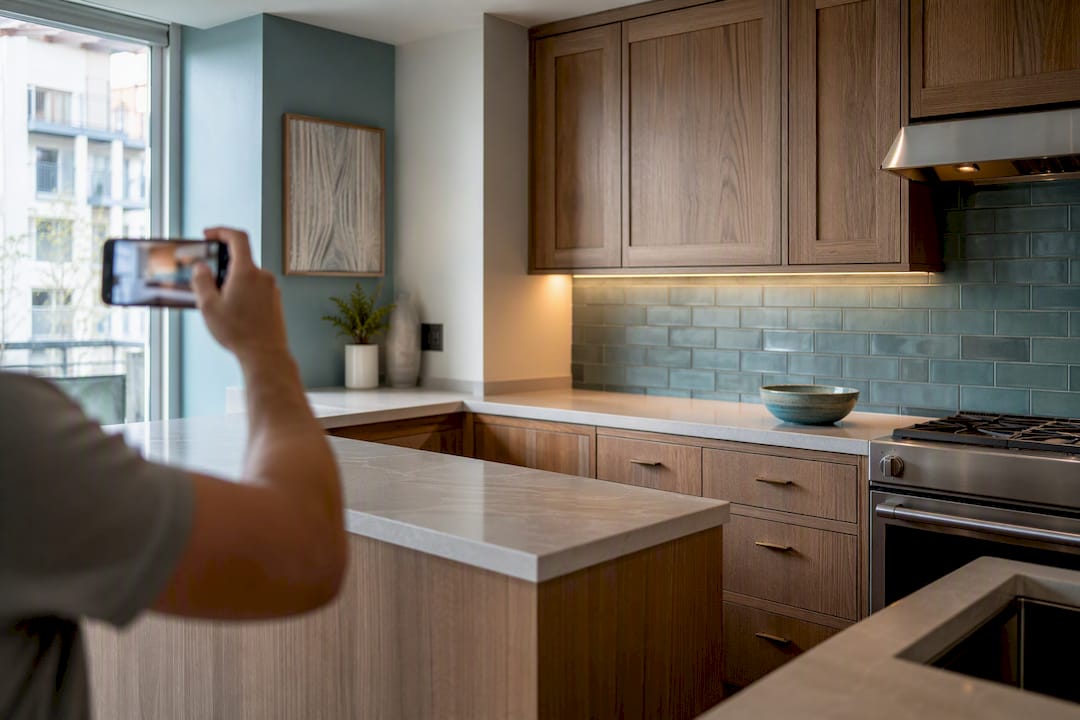
Estimate your interior replacement cost. Walk through your unit and price out what it would cost to rebuild the interior at today’s construction prices, then set your dwelling limit there, not at your unit’s sale price.
Size your personal property coverage. Either take the percentage your carrier defaults to (usually 50% to 70% of dwelling coverage) or build a quick room-by-room inventory and total it yourself. The inventory approach is more accurate if you own anything unusual or expensive.
Pick a liability limit. Most agents recommend $300,000 to $500,000 in personal liability, especially if you host guests often or own anything that increases your risk profile, like a dog with a bite history.
Size your loss assessment coverage using the master-deductible-divided-by-units method covered earlier, then round up.
Before you call an agent, gather your association’s declarations page, receipts from any unit renovations, and a basic photo inventory of your belongings. Schedule anything individually valuable, jewelry, art, instruments, separately.
Pro Tip: Take dated photos of every room right after any major renovation, and store the receipts somewhere you’ll actually find them later. It’s the fastest way to prove replacement cost if you ever need to file a claim.
How do you get a quote and what should you ask?
Getting an accurate HO-6 quote starts with paperwork you probably already have. Pull your association’s master policy declarations page, any recent appraisals on high-value items, your mortgage lender’s minimum coverage requirements, and a rough inventory of your belongings.
When you’re comparing quotes side by side, a few questions separate a good policy from a cheap-looking one:
What’s the loss assessment limit, and is there a sub-limit on deductible pass-through?
Is personal property covered at replacement cost or actual cash value?
What’s the deductible on the main policy versus the loss assessment endorsement?
Does the policy include water backup, or does that cost extra?
What specific exclusions apply to this carrier that might not apply to others?
Because master policies and state rules vary building to building, the same HO-6 quote language can mean different things depending on your association. That’s precisely the gap an independent agent is positioned to catch, and it’s also where they can coordinate directly with your mortgage lender so your closing timeline doesn’t slip over a paperwork mismatch.
Why work with an independent broker for HO-6 coverage?
Because condo master policies differ so much from building to building, comparing carriers side by side matters more here than with almost any other type of home insurance. South Lake Agency Insurance Brokers connects clients with over 20 top-rated carriers to find HO-6 coverage matched to a specific association’s master policy, rather than a one-size-fits-all quote.
A few things worth knowing about how that works in practice:
South Lake Agency Insurance Brokers charges no broker fees, so comparing multiple carriers costs you nothing extra.
Clients save an average of $2,246 by shopping across carriers instead of renewing with a single insurer by default.
The agency maintains a 97.3% client renewal rate and over 337 five-star reviews, a track record built on repeat trust rather than one-time sales.
South Lake Agency Insurance Brokers has published detailed comparisons of policy forms like HO-3 versus HO-5, alongside guidance on new construction and older-home insurance, giving owners a broader reference point beyond just HO-6.
That kind of side-by-side shopping is exactly what catches a thin loss assessment limit before it becomes a problem, not after.
An honest take on where owners get HO-6 wrong
The conventional advice on HO-6 spends too much time on personal property limits and not nearly enough on loss assessment coverage, and that’s backward. A stolen laptop is an inconvenience. A special assessment tied to an underinsured master policy deductible can run into the thousands, and I’ve seen the math work out worse for owners who assumed their $1,000 default limit was “probably fine.”
It usually isn’t. Master policy deductibles have climbed in a lot of U.S. markets, and the gap between what the default HO-6 limit covers and what a real assessment costs keeps widening. Raising that limit costs so little relative to the exposure it closes that skipping it isn’t really a savings decision. It’s a bet, and not a good one.
If you take one thing from this guide, make it this: read your association’s declarations page before you shop for a policy, not after. Everything else, from dwelling limits to endorsements, follows from understanding exactly where the master policy’s coverage ends and yours needs to begin.
— Andrew
Get an HO-6 Quote Built Around Your Building, Not a Generic Template
South Lake Agency Insurance Brokers is the alternative to guessing at HO-6 limits on your own. Instead of picking a policy off a rate comparison site that has no idea what your association’s master policy actually covers, you work with a licensed broker who compares options across more than 20 carriers and matches coverage to your building’s specific gaps, all without charging you a broker fee.

That matters most with the two numbers most owners get wrong: dwelling limits sized to your actual interior upgrades, and a loss assessment figure that reflects your building’s real deductible exposure, not a default $1,000 that hasn’t been adequate in years. If you’re closing on a new condo purchase, South Lake Agency Insurance Brokers also coordinates directly with your mortgage lender so coverage is in place on time. Start with a homeowners insurance quote or check the new homebuyer insurance guide if you’re still in the closing process.
Sources
For deeper detail beyond this guide, review NerdWallet’s HO-6 guide, The HOA Guide’s loss assessment breakdown, Forbes Advisor’s condo insurance overview, and SoFi’s HO-3 vs. HO-6 comparison. Always cross-check against your own association’s declarations page and your state’s Department of Insurance guidance.
Recommended
Comments