




Water Backup Coverage: What It Pays for and Who Needs It

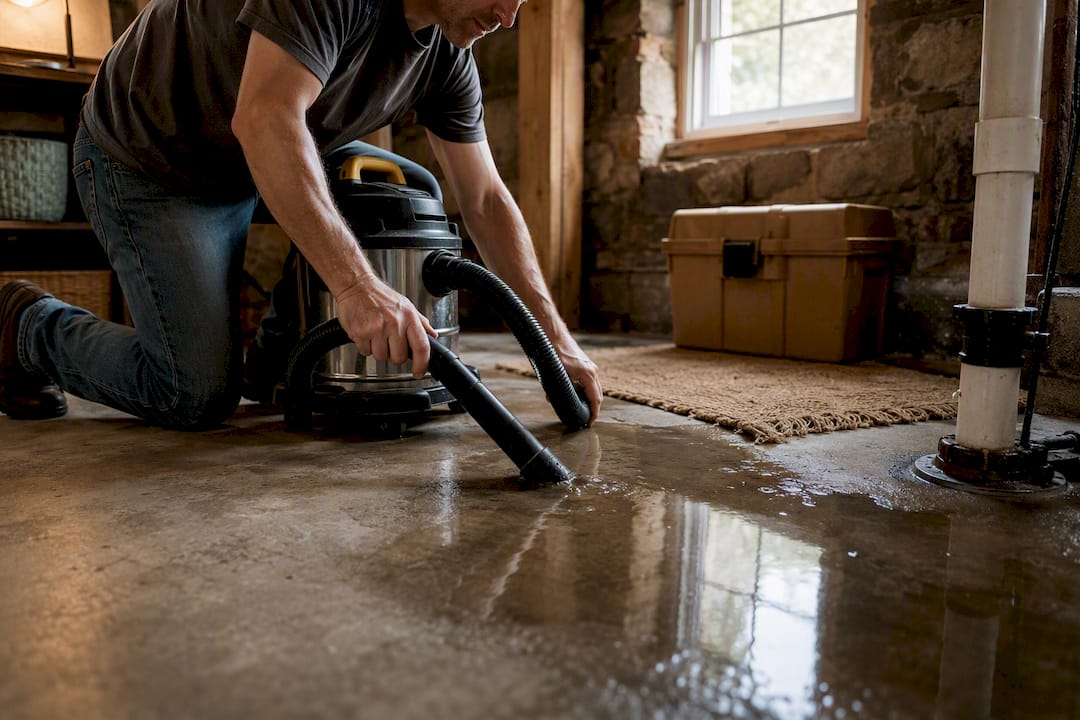
Water backup coverage pays for damage caused by sewer or drain backups and sump pump failure, and most standard homeowners policies do not include it. It usually costs little compared to the cleanup bill it can prevent you from paying yourself. Whether it belongs on your policy comes down to a few risk factors that are easy to check.
You likely need it if: you have a finished basement, a sump pump, or an older home with aging sewer lines.
You can probably skip it if: you have no basement, no sump pump, and live somewhere with newer municipal sewer infrastructure.
It typically does not cover: flooding from heavy rain or overland water — that requires separate flood coverage.
Key Takeaways
Water backup coverage fills a specific gap standard homeowners policies leave open, and the deductible structure matters as much as the coverage limit.
Point | Details |
Covers backups, not floods | Sewer/drain backups and sump pump failure are covered; overland flooding needs separate flood insurance. |
Watch the deductible | Some carriers apply a separate, higher deductible for backup claims than your standard policy deductible. |
Limits run $5,000 to $25,000 | Match the limit to your actual basement finish level and personal property exposure. |
Prioritize prevention | Test sump pumps regularly and inspect sewer lines to reduce the odds of ever filing a claim. |
South Lake Agency compares carriers | We shop 20+ carriers with no broker fees to match limits and deductibles to your home. |
Table of Contents
What Does Water Backup Coverage Actually Include?
The endorsement is built around one scenario: water that comes up and in, not water that flows down from a storm outside. Water backup coverage is an optional homeowners add-on that helps pay to clean up and repair damage from sewer or drain backups and sump pump failures. Insurers sometimes label it differently on the declarations page, and Liberty Mutual is one carrier that lists it under names like “sewer and sump pump overflow” or “water backup and overflow.”
In practice, coverage typically extends to:
Sewage or wastewater backing up through a drain or toilet into your living space.
A sump pump that fails, gets overwhelmed, or discharges water into the basement.
Cleanup costs, damaged flooring and drywall, and often mold remediation tied directly to the covered event.
Replacing ruined personal property like furniture, storage boxes, or a finished basement’s carpet.
What it will not touch is the source of the problem itself. If your municipal sewer main fails or a pipe outside your property needs repair, that’s typically on the city or a separate utility line endorsement, not your homeowners policy.
What Water Backup Coverage Doesn’t Cover
This is where homeowners get burned by assumptions. The endorsement has a narrow job, and reading the exclusions matters as much as reading what’s included.
Overland flooding and seepage. If water rises from outside and seeps through your foundation, that’s a flood claim, not a backup claim, and flood coverage through the NFIP or a private flood policy is the only thing that responds, and only when the backup traces directly to that flood event.
Maintenance neglect. A sump pump that failed because it was never serviced, or a sewer line clogged from years of tree roots, can be denied as a wear-and-tear issue rather than a sudden loss.
The failed equipment itself. Most endorsements pay to clean up the mess a broken sump pump causes, not to buy you a new pump.
Underground sewer line repairs. Digging up and fixing the pipe that backed up usually falls outside the endorsement entirely.
By the numbers: Insurers commonly sell this coverage in tiers of $5,000, $10,000, $15,000, $20,000, or $25,000. A $5,000 limit might cover a small backup into an unfinished laundry room. It won’t come close to covering a finished basement with drywall, carpet, and a home theater setup ruined by contaminated sewage.
How Much Does Water Backup Insurance Cost?
Premiums for this endorsement tend to run modest compared to what a backup actually costs to clean up. Many homeowners can add $5,000 to $10,000 in coverage for a relatively small annual amount, while higher limits closer to $25,000 cost more but still stay far below what a major sewage cleanup runs.
Price depends on a handful of factors:
Whether you have a finished basement (more square footage at risk means higher exposure).
Prior claims history for water or sewer backups at the property.
The age of your home’s plumbing and the surrounding municipal sewer infrastructure.
Whether you have a sump pump and how reliable your local drainage system is.
Here’s the number that changes the math: some carriers apply a separate deductible for water backup claims, distinct from your regular homeowners deductible. If your standard deductible is $1,000 but your backup deductible is $2,500, a $4,000 cleanup barely clears the threshold worth filing for. Sewer backup cleanup itself can run close to $10,000 once contaminated water, damaged flooring, and remediation crews are involved, which is exactly why the modest premium tends to pencil out.
Who Should Add Water Backup Coverage?
Run through this list. If more than one applies to you, the endorsement is worth a serious look.
You have a finished or furnished basement. Drywall, flooring, and furniture down there all become claimable property, and losing them without coverage is expensive.
You have a sump pump. Pumps fail during the exact storms when you need them most, usually from power outages or motor burnout.
You live in an older home with mature trees near the sewer line. Root intrusion is one of the most common causes of backups.
You don’t have much set aside for emergencies. A $6,000 to $10,000 surprise bill hits differently if you don’t have a cushion.
You rent rather than own. Renters insurance can extend similar protection for personal property, worth asking about even though you’re not responsible for the structure.
How to Add This Coverage and What to Ask Your Agent
Adding the endorsement is usually a quick call or a checkbox during an online quote, but the details buried in the policy language matter more than the sticker price. Before you sign off, get specific answers.
What limit options are available, and does $10,000 actually cover a finished basement of my size?
Is there a separate deductible for water backup claims, and how much higher is it than my standard deductible?
Does the coverage apply if the backup originates off my property, like a municipal line?
Is mold remediation included, or is it a separate rider?
Does this endorsement include loss-of-use coverage if I can’t live in part of my home during repairs?
Pro Tip: Take photos of your finished basement now, before anything happens. Underwriters and adjusters both move faster when you can show what was down there and its condition beforehand.
If your current carrier’s answers feel vague or the limits seem thin for your situation, comparing your policy terms with another carrier’s wording is worth the twenty minutes it takes.
Preventing a Backup and What to Do If One Happens
A little maintenance goes a long way toward avoiding a claim in the first place, and how you respond in the first hour after a backup affects both damage and how smoothly the claim goes.
Prevention steps:
Test your sump pump every few months and add a battery backup or water alarm so it still works during a power outage.
Schedule a professional inspection of your sewer line every few years, especially in older homes.
Avoid planting trees near sewer lines. Root systems are drawn to the moisture inside aging pipes.
If a backup happens: shut off water or electrical service to the affected area if it’s safe to do so, photograph the damage before touching anything, and call your agent immediately. Because sewer backups involve contaminated water, hire licensed remediation rather than cleaning it yourself.
Pro Tip: Before filing, weigh the cleanup estimate against your water backup deductible and your policy’s claims history impact. A $3,000 job against a $2,500 deductible may not be worth the premium bump that follows.
How an Independent Broker Simplifies This Coverage
Comparing water backup wording across carriers is tedious work when you’re doing it alone. Limits, deductible structures, and mold clauses all vary, and the language rarely matches word for word between insurers.
We compare endorsement wording across more than 20 carriers instead of one company’s fine print.
We flag separate-deductible traps before you’re locked into a policy that looks cheap but pays out little.
We match coverage limits to your actual exposure, not a generic default number.
Homeowners with a finished basement or a sump pump are the clearest candidates for this endorsement, and figuring out the right limit usually takes one honest conversation about what’s actually in your basement.
South Lake Agency Insurance Brokers charges no broker fees, and clients save an average of $2,246 when we shop their coverage across carriers. If a backup happens, our team also helps coordinate your claim with adjusters directly.
Editorial Take: What Homeowners Get Wrong About This Coverage
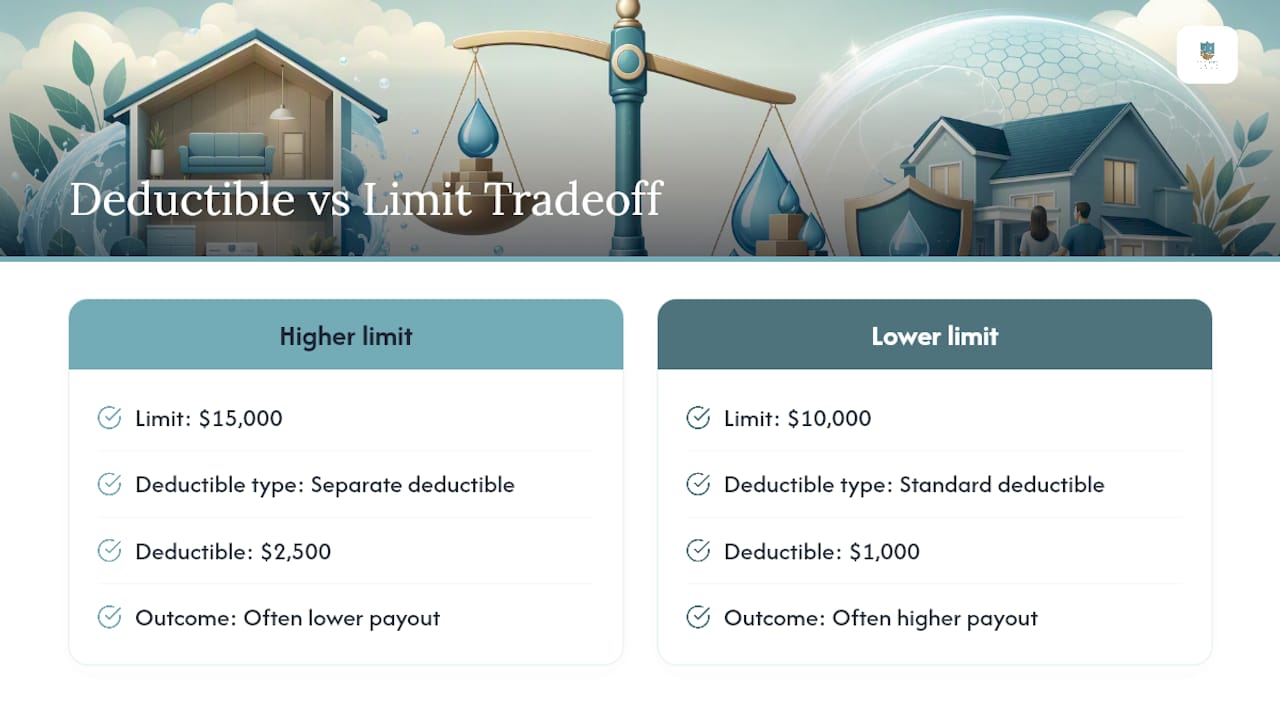
Most advice on water backup coverage stops at “get it if you have a basement.” That’s true as far as it goes, but it skips the clause that decides whether the coverage actually pays out when you need it: the deductible structure. A homeowner who adds a $10,000 limit and calls it done, without asking whether the carrier applies a separate, higher deductible for backup claims, can end up with coverage that looks solid on paper and does almost nothing in practice.
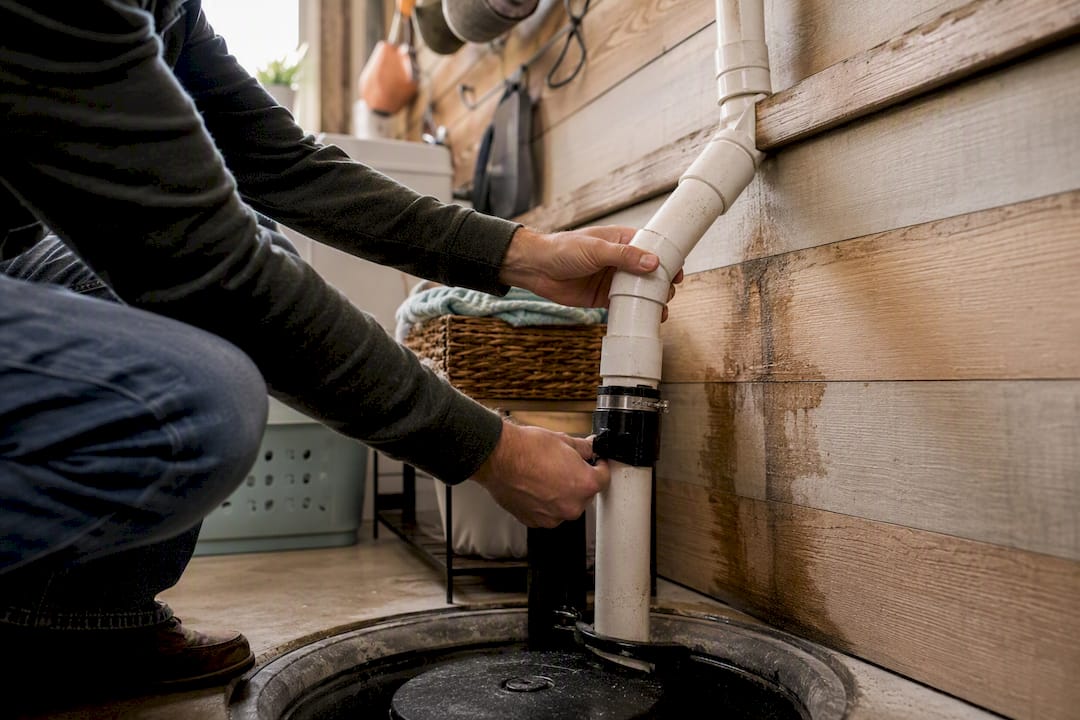
I’d flip the usual priority order. Before shopping for a limit, ask about the deductible. A $15,000 limit with a $2,500 separate deductible often performs worse for a typical claim than a $10,000 limit under your standard $1,000 deductible. Limit shopping gets all the attention because it’s the easier number to compare. The deductible clause is where policies quietly differ, and it’s the one detail that decides whether your next sewage cleanup gets reimbursed or comes entirely out of pocket.
Get Water Backup Coverage Through South Lake Agency Insurance Brokers
Shopping this endorsement carrier by carrier on your own means reading fine print from a dozen different insurers, each using different names and deductible structures for the same coverage. South Lake Agency Insurance Brokers does that comparison for you, across 20+ carriers, with no broker fee added to your premium.

If you already own a home with a finished basement or a sump pump, or you’re closing on one soon, we can review your current policy or build a new one with the right water backup limit and deductible pairing from the start. That matters most for new buyers, since coverage gaps are easiest to fix before a policy is already in force. Start with a homeowners insurance quote and ask us directly about adding water backup protection, or check our new homebuyer guide if you’re still shopping for your first policy.
Frequently Asked Questions
Is water backup coverage worth it? For homeowners with a finished basement, a sump pump, or an older sewer line, yes. The premium is usually far smaller than a single cleanup bill, which can approach $10,000 for a contaminated sewage backup.
What’s the difference between water backup and flood insurance? Water backup covers water that comes up through drains or a failed sump pump. Flood insurance covers water that comes in from outside, like rising rivers or heavy rain overwhelming the ground. They rarely overlap.
How much does sewer backup insurance typically cost? It varies by carrier, limit, and home risk factors, but it’s generally an affordable add-on compared to homeowners insurance overall, especially at lower limit tiers like $5,000 or $10,000.
Do I need water backup coverage if I don’t have a basement? Your risk is lower without one, but any home with a sump pump or older plumbing can still experience a backup through ground-floor drains or fixtures.
Does water backup coverage pay for a new sump pump? Usually not. It typically covers the cleanup and damage the pump failure caused, not the replacement cost of the pump itself. Ask your agent to confirm your specific policy’s wording.
Sources
Recommended
Comments