




What to Do First in the Homeowners Insurance Claim Process

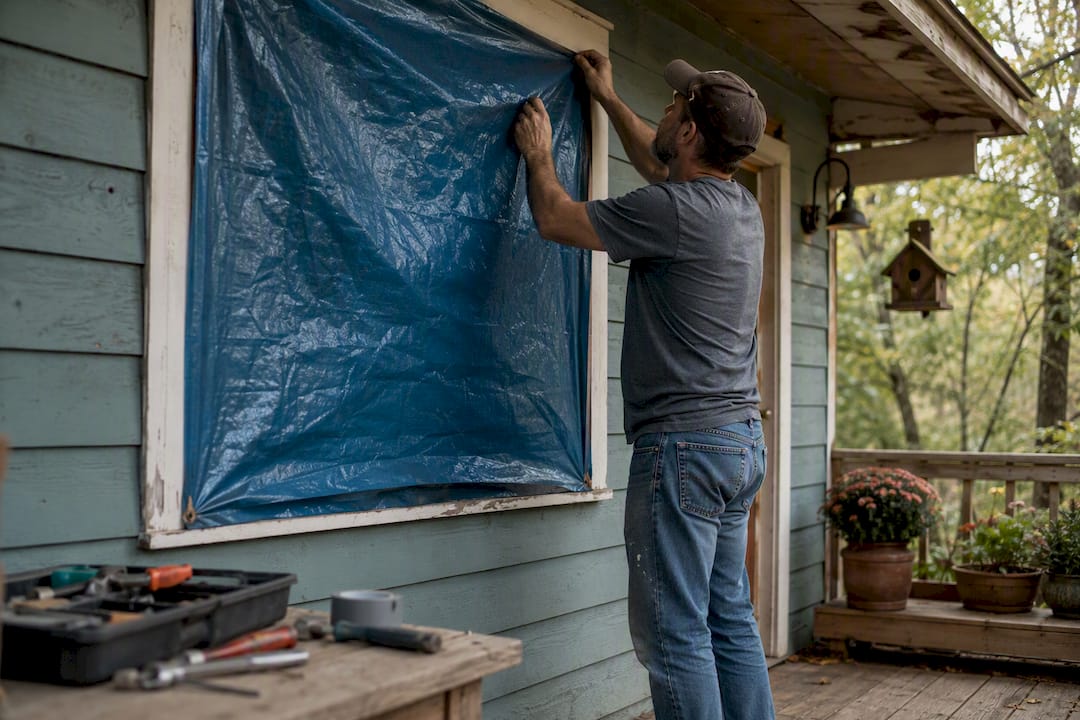
After storm damage hits your Minnesota home, the sequence matters as much as the actions themselves. Make sure everyone is safe, then document the damage with dated photos and video before you touch anything. Make only the temporary repairs needed to stop further harm, tarping a roof or boarding a window, and save every receipt. Then call your insurer or agent with your policy number and a plain description of what happened.
From there, the homeowners insurance claim process typically runs in a predictable order:
Document the damage the day it happens
Notify your insurer or agent within days, not weeks
Meet the adjuster and walk the property together
Review the estimate and receive an initial payment
Complete repairs with a licensed contractor
Submit the final invoice and collect the remaining payment
Minnesota gives insurers specific windows to respond and pay, enforced by the state Department of Commerce, so knowing the sequence protects you from delays. South Lake Agency Insurance Brokers works with Minnesota homeowners through every stage of that sequence, from the first phone call to the final check.
Key Takeaways
Filing a homeowners insurance claim successfully in Minnesota depends on fast documentation, clear communication with your insurer, and a contractor present at the adjuster inspection.
Point | Details |
Document before you clean | Take dated, wide-and-close photos of every damaged area before starting repairs. |
Compare cost to deductible | Skip filing if repair costs sit close to your deductible to protect your claims history. |
Bring a contractor to inspection | A roofer or contractor at the adjuster walkthrough often catches damage adjusters miss. |
Expect payment in two parts | Depreciation typically releases only after you submit the contractor’s final invoice. |
Get help from a local broker | South Lake Agency Insurance Brokers offers no-fee claims support across 20+ carriers for Minnesota homeowners. |
Table of Contents
Homeowners Insurance Claim Process: A Step-by-Step Checklist
Every hour after a storm counts, and how you spend it shapes how smoothly the rest of your claim goes.
1. Stop the bleeding, literally and financially. Shut off water or power if there’s a safety risk, and cover exposed openings with a tarp or plywood. Insurers expect “reasonable” temporary repairs, not full fixes, and they’ll reimburse you for materials if you keep every receipt. Don’t start permanent repairs before the insurer has seen the damage or given the go-ahead.

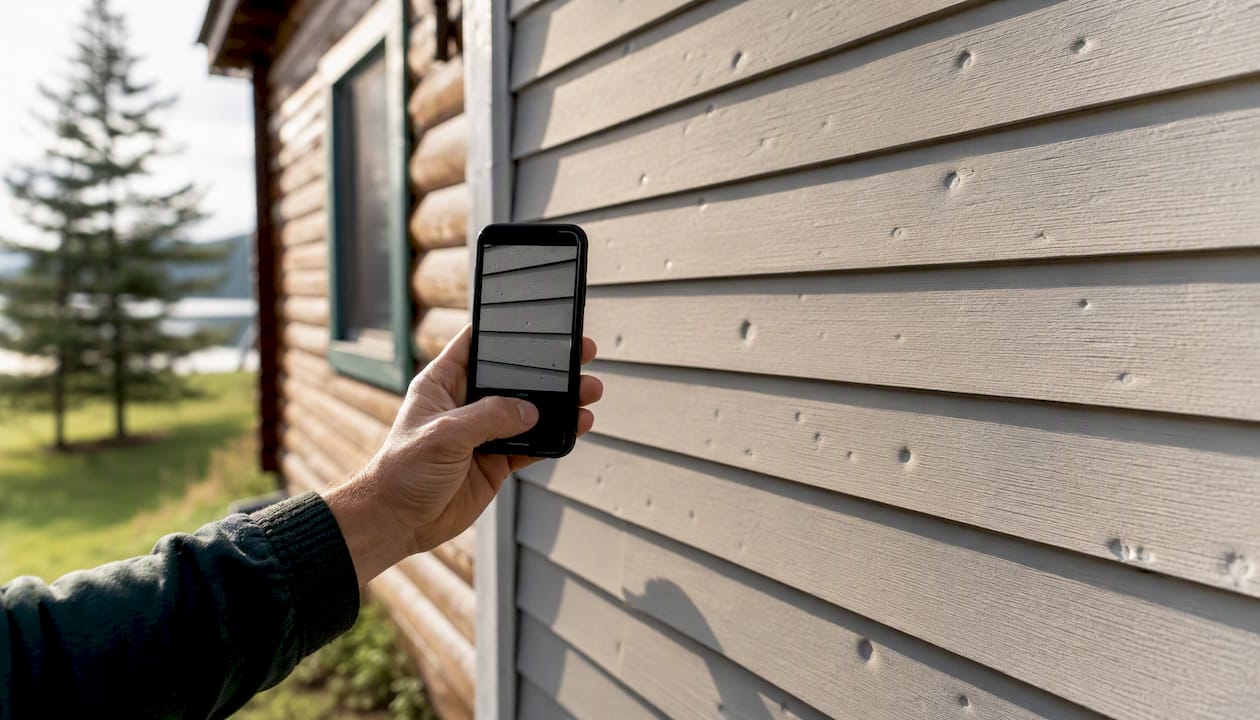
2. Document everything before you clean up. Walk each damaged area with your phone camera. Shoot wide shots that show location, then close-ups of the specific damage, hail dents on siding, a cracked shingle, water stains on drywall. Time-stamp your photos if your camera does not do it automatically, since establishing exactly when damage occurred matters if the cause of loss is ever questioned.
3. Call your insurer or agent, and stick to the facts. Have your policy number ready along with the date of loss, a general description (“wind and hail damage to the roof and gutters”), and your contact information. Skip the speculation. Don’t guess about cause, don’t mention that you’d been meaning to get the roof inspected, and don’t estimate a dollar figure. Adjusters interpret loose talk literally, and casual comments can end up shaping how they read the claim.
4. Expect an adjuster inspection within days to a couple weeks, depending on how widespread the storm event was across your region. Minnesota’s Department of Commerce holds insurers to specific acknowledgment and response deadlines, so if you haven’t heard anything after a reasonable window, follow up in writing and keep a copy.
5. Review the scope of loss and estimate before you agree to anything. The adjuster will document what they believe needs repair or replacement. Read the estimate line by line, and flag anything that seems missing, a damaged gutter section, interior water intrusion, insulation that got wet behind drywall.
6. Payment usually arrives in two parts. An initial check covers the estimated cost minus your deductible and any withheld depreciation. The remaining depreciation typically releases after you submit your contractor’s final invoice, proving the work is complete.
Pro Tip: Keep a single folder, physical or digital, for every claim document from day one: photos, the adjuster’s estimate, receipts, and every email. When the final invoice goes in, you want to hand over a complete file, not scattered paperwork you have to hunt for.
Documenting the Damage: What Adjusters Actually Want to See
A thorough paper trail speeds up your homeowners insurance claim process more than any phone call ever will.
Start with a room-by-room inventory for damaged contents. For each item, note the brand, model or serial number if visible, approximate purchase date, and a fair estimate of its value, a water-damaged sofa, a dented dryer, a soaked area rug. This level of detail keeps your claim from getting rounded down to a generic estimate.
For the structure itself:
Take wide “establishing” shots that show where the damage sits on the house
Follow with close-ups showing the cause, hail strikes on shingles, a split limb on the fence line
Photograph any prior repairs, maintenance records, or old inspection reports that prove the home was in good condition before the storm
Save warranties and receipts for roofing, siding, or appliances that were damaged
Once you’ve gathered everything, organize it into a single PDF or a shared cloud folder and email it to your adjuster with a short cover note listing what’s attached. A maintenance log or prior condition record also helps if the insurer questions whether damage was pre-existing.
Understanding Your Policy Before You File
Not every claim is worth filing, and knowing your policy prevents wasted effort.
Homeowners policies list either named perils (specific covered events like wind, hail, or fire) or broader “open peril” language that covers anything not explicitly excluded. Pull out your declarations page and check which one applies before assuming coverage.
The deductible math matters more than people think. If your estimated repair cost sits close to or below your deductible, filing may not make sense; comparing repair cost to deductible first can save you a claim mark on your record for a payout that barely covers itself.
Check whether your policy pays Replacement Cost Value (RCV) or Actual Cash Value (ACV). RCV pays what it costs to replace the item new; ACV subtracts depreciation for age and wear, so an older roof may net far less than expected.
Look for a separate wind/hail deductible, common in Minnesota policies and often a percentage of your home’s insured value rather than a flat dollar amount.
Check for an Ordinance & Law endorsement, which covers the added cost of bringing repairs up to current building code.
Confirm you have Additional Living Expenses coverage if a storm makes part of your home temporarily unlivable.
A quick gut check: if your repair estimate is only a few hundred dollars above your deductible, paying out of pocket often protects your long-term premium history better than filing does.
What Happens During the Adjuster Inspection?
The adjuster’s job is to translate what they see into a dollar figure, and your job is to make sure they see everything.
Walk the property with them rather than letting them go it alone. Point out damage that’s easy to miss from the ground, granule loss on shingles, a soft spot on the deck, cracked vinyl siding on the shaded side of the house. Bring up interior damage too: water stains, warped flooring, or musty smells that suggest moisture got behind a wall.
Invite your roofer or contractor to the inspection whenever possible
Ask for a copy of the written scope of loss before you sign anything
Request a re-inspection if repairs uncover hidden damage once work begins
Be wary of any door-to-door contractor asking you to sign an assignment-of-benefits form on the spot
Bringing a contractor along often changes the outcome, since roofers and adjusters sometimes disagree on what counts as storm damage versus normal wear, and a second set of trained eyes catches things a homeowner alone would miss.
Pro Tip: If your contractor’s estimate comes in higher than the adjuster’s, ask for a joint call between the two rather than negotiating through you as the middleman. It resolves scope disagreements faster and keeps you out of a back-and-forth you didn’t sign up for.
How Long Does the Payment Process Usually Take?
Minnesota insurers operate under state Department of Commerce guidance on response and acknowledgment timelines, and knowing roughly what to expect keeps you from panicking during a normal wait.
Most companies acknowledge a claim within days and schedule an inspection soon after, though widespread storm events can stretch that window since adjusters are covering more homes at once. Regulatory guidance generally requires insurers to communicate decisions and deadlines in writing, so ask for anything verbal to be confirmed by email.
Expect an initial payment covering the estimate minus your deductible and withheld depreciation
The final payment, releasing that depreciation, typically follows once you submit the contractor’s completed invoice
If your mortgage lender is listed on the policy, expect the initial check to include their name, requiring their endorsement before you can deposit it
Ask your contractor about partial draws if the job requires materials up front, since waiting for final payment can strain your cash flow
Delays in getting that final contractor invoice to the insurer are one of the most common reasons homeowners feel stuck waiting on money they’ve already been approved for.
Common Mistakes That Delay or Reduce Your Payout
Small missteps early in a claim tend to cause outsized headaches later.
Avoid saying anything on a recorded call that sounds like an admission of neglect, phrases like “I knew that roof was getting old” or “we’d been putting off fixing that gutter.” Adjusters aren’t trying to trap you, but ambiguous language gets read literally.
Reporting damage weeks after it happens weakens your claim and can raise questions about mitigation
Skipping temporary repairs (or not saving receipts for them) can be used to argue the damage worsened due to neglect
Signing a same-day settlement offer from a door-knocking contractor without your own documentation locks you into a number that may be too low
Signing any assignment-of-benefits form without reading exactly what rights you’re transferring
If you disagree with a settlement, you have the right to request an appraisal or file a complaint with your state’s insurance regulator rather than accepting the first number offered.
How South Lake Agency Insurance Brokers Supports Minnesota Homeowners
A broker’s real value shows up after the storm, not just at renewal time.
South Lake Agency Insurance Brokers shops your coverage across more than 20 carriers, so if your current policy underperformed during a claim, we can help you compare better options without charging a broker fee. During an active claim, we help homeowners understand their coverage, prepare documentation, and stay in the loop with lenders when escrow or endorsement questions come up.
No broker fees, ever, on any policy we place
Many clients save a significant amount when we shop your coverage
High client renewal rate and numerous five-star reviews from Minnesota clients
Contact us early if your claim feels stuck, your estimate seems low, or you’re not sure whether your policy’s endorsements cover everything the adjuster identified. Visit our claims support page to reach an agent directly.
The Gap Between Standard Claims Advice and What Minnesota Storms Actually Require
Most claims advice online reads like it was written for a leaky faucet, not a hailstorm that hit three counties at once. That’s the biggest blind spot in conventional guidance: it assumes your adjuster has time to give your home individual attention. During a widespread Minnesota storm event, they don’t. That’s exactly why bringing your own contractor to the inspection matters more than most articles admit, it’s not a nice extra step, it’s how you make sure your specific roof gets the attention a stretched-thin adjuster can’t always give it on the first pass.
The other place conventional wisdom falls short is the deductible conversation. Plenty of guides tell you to “always document everything and file,” full stop. That’s backwards for minor damage. Filing a claim for $400 of gutter damage against a $1,500 deductible does nothing but sit on your claims history for years. Prioritize the deductible math before you prioritize the paperwork.
If you take one thing from this playbook, make it this: speed and a second set of expert eyes beat perfect paperwork every time.
— Andrew
Get Claims Support From a Local Minnesota Broker
South Lake Agency Insurance Brokers is the alternative to going it alone with a call center adjuster. We shop your coverage across 20+ carriers at no broker fee to you, and when a storm hits, we’re a local Minnesota team who already knows your policy, not a national hotline reading from a script.

If your current policy left you underinsured during this claim, or you’re just not confident your coverage matches what your home actually needs, it’s worth a second look. We’ll compare your options across carriers and walk you through what Replacement Cost Value, wind/hail deductibles, and Ordinance & Law endorsements actually mean for your specific home, then help you fix any gaps before the next storm rolls through. Get a homeowners insurance quote today and see what a broker who works for you, not the carrier, can find.
Sources
Recommended
Comments